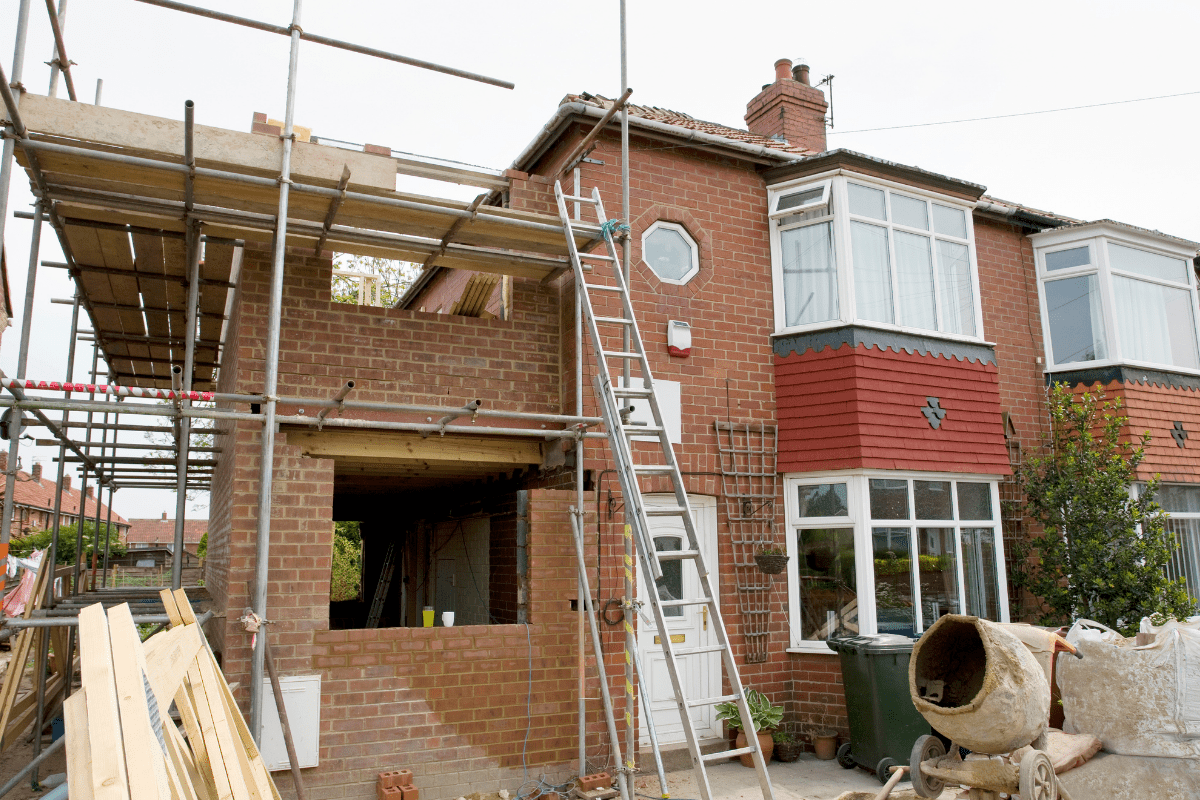
Already Built? We Can Still Help

Retrospective Planning Permission in
Oundle

A Oundle property with unauthorised work on it has a real route back to compliance, a retrospective application judged on its own planning merits, though there’s no guarantee of success simply because the work’s already done.

Get Started
Local to Oundle
Enforcement Risk Reduced
Council-Ready Applications

The Real Risk Explained For Oundle

A retrospective planning application in Oundle is assessed exactly as if the work hadn’t been built yet, the same policies, the same design standards, the same weight given to neighbour impact. Having already done the work carries no advantage and, in practice, sometimes adds pressure since the council can see precisely what’s been built rather than a proposal on paper.

This is genuinely different from a certificate of lawfulness, which isn’t discretionary at all, it simply confirms a legal fact once enough time has passed without enforcement action. Retrospective permission has no such time-based shortcut, and refusal carries real enforcement risk, up to and including a requirement to reverse the work.

Every Oundle enquiry gets checked against both real routes, retrospective permission and, where the timing genuinely fits, a certificate of lawfulness, before anything’s recommended.

Honest Assessment

A realistic read on your chances

Enforcement Risk

Reduced by acting properly now

Council-Ready

Prepared to the same standard

Fast Turnaround

Applications moved along quickly

Retrospective planning permission

How We Help in Oundle

For Oundle properties, we establish the real facts first, what’s been built, when, and whether it genuinely fits current policy, before recommending a route.

Once that’s clear, the application gets built around what actually satisfies Oundle’s council, with a realistic view of the chances given honestly upfront.

Oundle submissions get followed through to a decision, with anything the council raises addressed directly and promptly.

Getting Oundle Applications Right, Not Just Fast

Every Oundle case gets assessed properly against current policy, since telling someone the truth upfront matters more here than almost anywhere else.

Every Oundle case gets checked against both real options, since picking the wrong one can mean paying twice or facing needless enforcement risk.

Every Oundle enquiry gets handled with real care, not urgency dressed up as reassurance.

Was the unauthorised work in Oundle a house extension planning permission project? The same honest assessment applies, whatever the original scope. If you need help with a retrospective planning application, give us a call on 0330 133 5316 or fill in the form below.

Get Started

Get Your Retrospective Application Started

Retrospective Planning Permission FAQs for Oundle

What’s the difference between retrospective permission and a certificate of lawfulness in Oundle?

A certificate of lawfulness in Oundle confirms a legal fact once enough time’s passed without enforcement, it’s not discretionary. Retrospective permission is genuinely assessed on planning merits and can be refused.

Can the council make me remove work already built in Oundle?

It’s a real risk in Oundle, refusal doesn’t just mean starting over, it can trigger enforcement action against work that’s already been carried out.

Is retrospective permission easier to get in Oundle?

No, Oundle’s planning team assesses retrospective applications against exactly the same policy as a fresh proposal, having already built it carries no advantage.

Is there a discount for retrospective planning permission in Oundle?

No discount, Oundle retrospective applications are charged the same fee as a standard application, sometimes with additional scrutiny depending on the circumstances.

How long does a retrospective application take in Oundle?

8 weeks is standard for Oundle, though the timeline can extend where the case genuinely needs more careful assessment.

What does the first consultation cost in Oundle?

Nothing, understanding your Oundle situation honestly, including whether a certificate of lawfulness might apply instead, comes before any fee discussion.